Showing posts with label Canada. Show all posts

Monday, 4 May 2026

Understanding Modern Clinical Data Collection Systems

In today’s digital research environment, managing accurate and timely data is essential for success. Many organizations ask, What is Electronic Data Capture (EDC)? It refers to a system used to collect, manage, and store data in digital form, replacing traditional paper-based methods. These systems are widely used in clinical trials, healthcare research, and other data-driven industries to improve efficiency, accuracy, and compliance with regulatory standards.

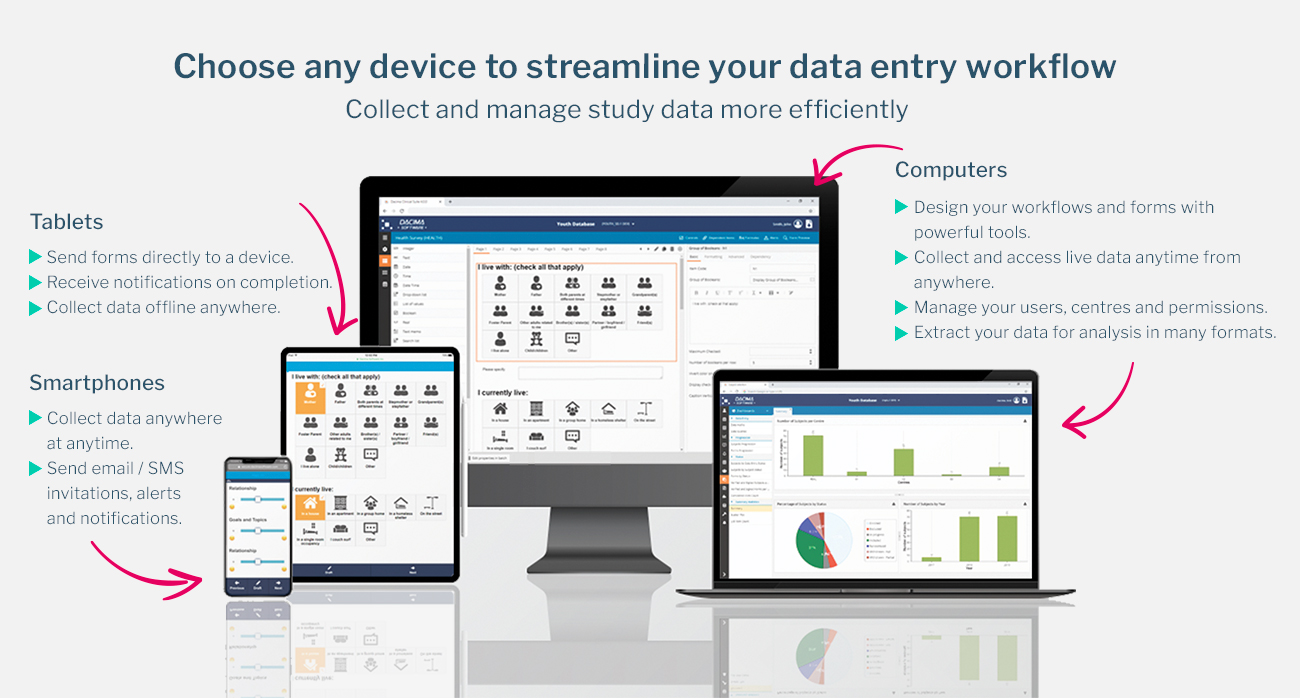
Electronic data capture systems allow researchers and professionals to input data directly into secure digital platforms using computers, tablets, or mobile devices. This eliminates the need for manual transcription from paper forms, reducing errors and improving overall data quality. By streamlining workflows, EDC systems enable faster decision-making and better management of large datasets.

The Evolution of Data Collection Methods

Before digital systems became widely available, data collection relied heavily on paper forms. Researchers manually recorded information during studies and later transferred it into spreadsheets or databases. This process was time-consuming and prone to errors, especially when dealing with large volumes of data.

The transition to electronic systems transformed how data is handled. With digital platforms, information can be entered directly at the point of collection. This reduces duplication of effort and ensures that data is captured accurately from the start.

Electronic systems also improve organization. Data is automatically structured into standardized formats, making it easier to analyze and interpret. This is particularly valuable in clinical trials, where consistency and accuracy are critical.

Key Features of Electronic Data Capture Systems

Modern EDC systems include a wide range of features designed to support efficient data management. One of the most important features is real-time data validation. When users enter information, the system checks for missing fields, incorrect values, or inconsistencies. This helps prevent errors before data is submitted.

Another key feature is secure data storage. Sensitive information is protected through encryption and controlled access, ensuring that only authorized individuals can view or modify data.

Audit trails are also essential. These records track every change made within the system, providing a clear history of data modifications. This level of transparency is important for regulatory compliance and quality assurance.

User-friendly interfaces make it easier for researchers and staff to enter data accurately. Intuitive design reduces training time and improves efficiency during data collection.

Benefits of Using EDC Systems

One of the primary benefits of electronic data capture is improved accuracy. By eliminating manual transcription, the risk of human error is significantly reduced. Automated validation checks further enhance data quality.

Speed is another major advantage. Data entered into the system becomes immediately available for review and analysis. This allows organizations to make informed decisions more quickly.

Cost efficiency is also an important factor. While implementing digital systems may require initial investment, the reduction in paper usage, storage, and administrative work leads to long-term savings.

EDC systems also support regulatory compliance. Detailed records, audit trails, and secure data handling help organizations meet strict industry standards.


Offline Data Collection Capabilities

In many situations, researchers work in environments where internet connectivity is limited or unavailable. This is where Offline EDC becomes particularly valuable. Offline systems allow users to collect data without an active internet connection.

Data is stored securely on the device during collection and later synchronized with the central system once connectivity is restored. This ensures that fieldwork can continue without interruptions.

Offline capabilities are especially useful in remote areas, clinical field studies, and global research projects. They provide flexibility while maintaining the integrity of the data collection process.

Applications Across Industries

Electronic data capture systems are widely used in clinical trials, where accurate data is essential for evaluating treatments and outcomes. Researchers rely on these systems to manage patient data, track study progress, and ensure compliance with regulatory requirements.

Healthcare organizations also use EDC systems to manage patient records and improve data accessibility. Digital records allow for faster retrieval and better coordination among healthcare providers.

Beyond healthcare, EDC systems are used in market research, environmental studies, and social science research. Any field that requires structured data collection can benefit from electronic systems.

Challenges and Considerations

While EDC systems offer many advantages, organizations must address certain challenges during implementation. Training is essential to ensure that users understand how to operate the system effectively.

Data security is another critical consideration. Systems must be designed to protect sensitive information from unauthorized access or breaches.

Integration with existing systems can also be complex. Organizations must ensure that new EDC platforms work seamlessly with their current infrastructure.

Despite these challenges, the benefits of electronic data capture systems make them an essential tool for modern data management.


Electronic Data Capture Systems

1. Data Entry and Validation

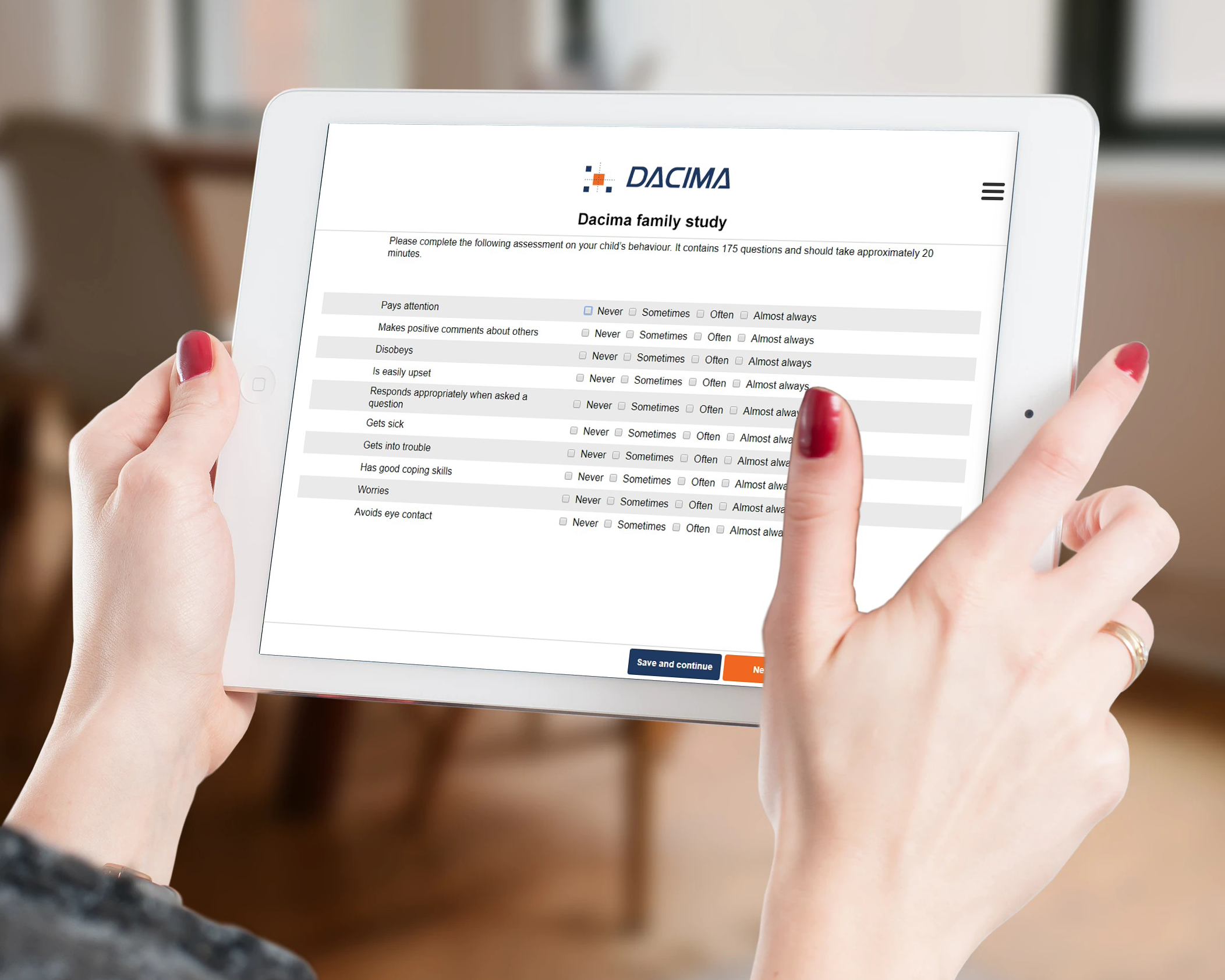
Electronic systems allow users to enter data directly into digital forms. Built-in validation rules check for errors, ensuring that information is complete and accurate before submission.

2. Secure Data Management

Data security is a fundamental requirement. EDC systems use encryption and controlled access to protect sensitive information and maintain confidentiality.

3. Audit Trails and Monitoring

Audit trails provide a detailed record of all data changes. This feature supports transparency and helps organizations meet regulatory requirements.

4. Integration and Accessibility

Modern systems can integrate with other platforms, allowing seamless data sharing and analysis. Accessibility across devices ensures that users can work efficiently from different locations.

5. Offline Functionality

Offline data collection enables users to continue working without internet access. Data is stored locally and synchronized later, ensuring uninterrupted workflow.


Electronic data capture has revolutionized how organizations collect and manage information. By replacing paper-based processes with digital systems, EDC improves accuracy, efficiency, and compliance. The ability to collect data in real time and access it instantly allows organizations to make better decisions and respond quickly to changing conditions.

As technology continues to evolve, electronic data capture systems will play an even greater role in research and data-driven industries. With features such as automation, secure storage, and offline capabilities, these systems provide a reliable foundation for modern data management.

Dacima Software

Wednesday, 25 March 2026

Advancing Clinical Data Management Systems


Efficient data handling is essential in modern research and clinical trials. The use of EDC Software has transformed how organizations collect, manage, and analyze study data, replacing traditional paper-based methods with secure digital systems. These platforms help reduce errors, improve data accuracy, and streamline workflows across research teams.

With EDC software, researchers can capture real-time information, maintain audit trails, and ensure compliance with regulatory standards. Features such as automated validation checks, centralized databases, and secure access controls enhance both efficiency and data integrity. This allows study teams to focus more on analysis and decision-making rather than manual data entry and corrections.

This micro blog highlights the importance of adopting structured digital solutions that support reliable and transparent data management practices. Proper implementation, staff training, and adherence to data protection guidelines are essential to maximize the benefits of these systems.

Organizations committed to secure and compliant research technology solutions, including Dacima Software, recognize the importance of advancing digital tools that improve accuracy and efficiency in clinical data management.

Sunday, 8 March 2026

Improving Field Research with Reliable Offline Data Systems


In modern research and field operations, reliable data collection tools are essential for maintaining accuracy and efficiency. Many research environments operate in locations where internet connectivity is limited or inconsistent. In such situations, Offline EDC provides a powerful solution that allows data to be collected digitally without requiring a constant network connection. This approach ensures that information can still be recorded, stored, and later synchronized once connectivity becomes available.

Field researchers, healthcare professionals, and survey teams often work in remote areas where online systems may fail due to poor infrastructure. Traditional paper-based documentation once served as the only alternative, but it introduced numerous challenges such as transcription errors, lost forms, and delayed data processing. Offline digital tools have transformed this process by enabling data entry directly into secure digital systems that function independently of internet access.

Offline data capture tools allow users to collect information using mobile devices, tablets, or laptops. Data is securely stored on the device and automatically synchronized with central databases once a connection is restored. This workflow ensures continuity in research operations without interrupting fieldwork activities.

The Growing Importance of Digital Data Capture

Digital transformation has significantly influenced how organizations manage information. Research institutions, clinical trial teams, and public health organizations increasingly rely on electronic data capture systems to streamline workflows. These systems allow teams to replace manual paperwork with structured digital forms that improve accuracy and consistency.

One major advantage of digital systems is real-time validation. Data entry tools can immediately detect incomplete fields or inconsistent responses, allowing users to correct errors before submitting records. This reduces the need for time-consuming data cleaning processes later.

Another benefit is improved organization. Digital platforms automatically structure data into standardized formats, making it easier to analyze and manage large datasets. This is particularly valuable for large-scale studies that involve thousands of participants or survey responses.

For field-based research, the ability to collect data offline is particularly valuable. When teams are able to capture information without relying on internet access, they can continue working efficiently regardless of location.

How Offline Data Systems Work

Offline data systems are designed to function independently from continuous connectivity. Data collection applications are installed directly on mobile devices, allowing users to access forms and surveys even when offline.

During fieldwork, users enter responses into digital forms. These forms often include validation rules that prevent incorrect entries. The collected data is stored securely within the device’s local storage.

Once the device reconnects to the internet, the system synchronizes the stored data with a central database. This synchronization process ensures that all collected records are safely transferred and integrated into the main data system.

The use of Offline Electronic Data Capture significantly improves workflow reliability. Teams no longer need to delay work while waiting for internet access. Instead, they can focus on collecting high-quality data and upload it when connectivity becomes available.

Advantages of Offline Data Collection

Offline data capture offers several important advantages for organizations operating in challenging environments. One of the most significant benefits is uninterrupted productivity. Field teams can continue collecting data regardless of network conditions.

Accuracy is another major advantage. Digital forms reduce transcription errors because information is entered directly into the system rather than being copied from paper documents. Built-in validation rules further enhance accuracy by preventing incomplete or inconsistent entries.

Data security also improves with digital systems. Information can be encrypted and stored securely within the device, protecting sensitive records until they are transferred to the main database.

Another benefit is faster data availability. Once synchronization occurs, collected information becomes immediately accessible to central teams. This allows researchers and analysts to begin reviewing results sooner than with traditional paper-based workflows.

Applications Across Multiple Industries

Offline data capture tools are widely used across many industries that rely on field-based operations. In healthcare research, clinical trial teams often conduct studies in remote areas where internet connectivity is unreliable. Offline systems allow them to collect patient information and research data efficiently.

Public health initiatives also benefit from offline data capture. Health workers conducting surveys or vaccination campaigns can record information during field visits without worrying about connectivity issues.

Environmental research teams frequently operate in forests, mountains, and other remote locations. Offline digital tools allow them to document observations, measurements, and survey results without carrying stacks of paper forms.

Agricultural studies and community development programs also rely on offline data systems to gather accurate information from rural populations. By reducing logistical challenges, these tools enable more efficient research operations.

Challenges and Considerations

While offline data systems offer many benefits, organizations must also consider certain challenges. Device management is an important factor, as field teams must ensure that mobile devices are properly maintained and charged during extended fieldwork.

Data synchronization processes must also be carefully designed to prevent duplicate records or conflicts. Reliable software platforms include safeguards that ensure smooth and accurate synchronization.

Training is another key consideration. Field teams should receive proper guidance on how to use digital forms, manage devices, and follow data security protocols. Proper training ensures that technology is used effectively and consistently.

Despite these considerations, the advantages of offline data systems far outweigh the challenges when implemented correctly.


Key Features of Effective Offline Data Capture Systems

  • Ability to collect data without internet connectivity

  • Secure local storage on mobile devices

  • Automatic synchronization when connection is restored

  • Data validation rules to prevent entry errors

  • Encryption for protecting sensitive information

  • Structured digital forms for standardized data collection

  • Integration with central databases and analytics platforms

  • Audit trails for tracking changes and updates

  • Compatibility with multiple devices and operating systems

  • User-friendly interfaces for field teams


Elements of Successful Offline Data Systems

1. Reliable Local Data Storage

Offline data systems must securely store collected information on the device until synchronization occurs. This storage must protect data from accidental deletion, corruption, or unauthorized access. Encryption and secure storage methods help ensure that sensitive information remains protected during fieldwork.

2. Structured Digital Forms

Well-designed digital forms improve the accuracy and consistency of collected data. Forms should include clear labels, logical field structures, and validation rules that guide users through the data entry process. These features reduce errors and improve overall data quality.

3. Efficient Synchronization Processes

Once internet connectivity becomes available, collected data must synchronize quickly and accurately with the central database. Efficient synchronization ensures that records are transferred without duplication or data conflicts, maintaining the integrity of the dataset.

4. User-Friendly Interface

Field teams often work under challenging conditions, so data collection tools must be easy to use. Intuitive interfaces, clear navigation, and simple data entry workflows allow users to focus on their work rather than struggling with complex technology.

5. Strong Data Security Measures

Protecting sensitive data is critical in any research or field operation. Secure authentication, encrypted storage, and controlled access permissions help maintain data privacy while ensuring that only authorized personnel can access collected records.


As digital technologies continue to evolve, reliable data capture systems will play an increasingly important role in research and field operations. By enabling teams to collect information in remote environments without relying on internet connectivity, offline solutions improve efficiency, accuracy, and overall data quality.

Organizations that adopt modern data capture strategies benefit from faster workflows, improved data management, and stronger compliance with research standards. With the continued advancement of tools supporting Offline Electronic Data Capture, field-based research will become even more efficient and accessible in the future.

Dacima Software

Wednesday, 28 January 2026

Streamlining Clinical Research Through Data Management


Clinical research generates large volumes of data that must be accurate, secure, and easy to review. From patient records to study outcomes, managing this information efficiently is essential for maintaining data integrity and supporting reliable results. Structured systems help research teams organize complex datasets while meeting regulatory expectations.

Clinical data management software supports the collection, validation, and storage of clinical trial data in a controlled environment. By automating data checks and standardizing formats, these systems reduce manual errors and improve consistency across study sites. Real-time access to clean data allows teams to monitor progress, identify issues early, and respond quickly to protocol deviations.

Beyond operational efficiency, effective data management also supports compliance and transparency. Audit trails, role-based access, and version control help ensure that records are traceable and secure throughout the study lifecycle. This level of oversight is especially important during regulatory reviews and inspections.

As clinical trials grow more complex, dependable data management tools play an increasingly critical role. When data is well-organized and accessible, researchers can focus more on analysis and patient safety rather than administrative challenges. These data-driven principles are reflected in system-based approaches associated with DACIMA Software.

Wednesday, 22 October 2025

The Rise of Electronic Patient Reported Outcomes

In today’s rapidly evolving world of healthcare and clinical research, technology continues to reshape how data is gathered, analyzed, and used to improve patient outcomes. One of the most significant advancements in this space is the integration of Electronic Patient Reported Outcomes, often referred to as ePRO. This digital approach to patient feedback collection has transformed how researchers, clinicians, and regulators understand the real-world impact of treatments and interventions.

At its core, ePRO refers to the process where patients directly report their health status, symptoms, treatment experiences, and overall quality of life using electronic devices such as tablets, smartphones, or web-based applications. Unlike traditional paper-based methods, ePRO ensures accuracy, timeliness, and reliability in data capture, reducing the risk of lost or incomplete information.


Why Electronic Patient Feedback Matters

Understanding the patient’s perspective is critical to evaluating the true effectiveness of any medical treatment. Patients experience side effects, improvements, and changes in their day-to-day lives that may not always be visible through laboratory results or physician assessments alone. By allowing patients to record their own health experiences in real time, electronic reporting tools provide researchers with an authentic view of how treatments perform in real-world settings.

Moreover, this patient-centered approach enhances clinical trial transparency and patient engagement. When individuals feel their input directly contributes to medical progress, they are more likely to stay motivated and compliant throughout the study duration. This not only improves data completeness but also strengthens the validity of study outcomes.


Key Advantages of Using Electronic Tools for Patient Outcomes

The transition from traditional paper questionnaires to electronic systems brings a host of advantages that are now indispensable in modern clinical trials:


  1. Accuracy and Data Integrity – Digital systems minimize transcription errors and incomplete fields. Built-in logic checks prevent contradictory responses or skipped questions, ensuring higher-quality data.

  2. Real-Time Data Capture – Patients can log their experiences as they happen, rather than waiting for scheduled appointments. This real-time feedback enhances the precision of symptom tracking and allows for timely intervention if issues arise.

  3. Improved Compliance – Automated reminders and user-friendly interfaces encourage patients to complete their reports consistently, reducing dropout rates and ensuring a more reliable data set.

  4. Global Accessibility – With the increasing availability of mobile devices and internet access, clinical trials can now gather patient data from diverse geographical locations without logistical barriers.

  5. Regulatory Confidence – Regulatory authorities such as the FDA and EMA recognise ePRO as a valid source of clinical evidence when evaluating new treatments. The ability to provide transparent, verifiable, and auditable data strengthens the overall credibility of a study.


The Role of Technology in Enhancing Patient Experience

Beyond data collection, electronic reporting tools are designed to simplify the process for patients. The best systems are intuitive, accessible to individuals of varying technical skills, and available in multiple languages. Patients can complete assessments from the comfort of their homes, significantly reducing travel time and the burden of clinic visits.

Additionally, the digital format allows the integration of multimedia features—such as audio instructions or symptom illustrations—that make the process more interactive and easier to understand. These innovations are particularly valuable for older adults or patients with limited literacy, ensuring inclusivity in research participation.

Furthermore, digital systems can automatically adapt to patient responses. For instance, if a participant reports severe side effects, the platform can trigger follow-up questions or alert study staff to initiate immediate medical review. This not only safeguards participant safety but also demonstrates how technology can act as a bridge between patients and clinical teams.


Data Security and Privacy Considerations

With the shift to electronic systems, ensuring data protection and patient confidentiality is a top priority. Reputable ePRO platforms incorporate secure encryption protocols, role-based access, and compliance with international standards such as GDPR and HIPAA.

Patients’ trust in the research process depends on knowing their information is protected. Transparent communication about how data is used, stored, and shared helps reinforce this trust. Ethical guidelines also require that patient consent be properly obtained before data collection begins, further strengthening accountability within clinical studies.


How ePRO Benefits Researchers and Sponsors

From a research management perspective, electronic systems streamline workflows, reduce operational costs, and accelerate study timelines. Because data is captured and transmitted instantly, researchers can monitor patient responses in real time, identify trends earlier, and make necessary adjustments without waiting for manual data entry or collation.

The availability of automated dashboards and analytical tools allows study sponsors and investigators to visualize patterns, track compliance rates, and assess outcomes dynamically. This digital insight not only increases efficiency but also enhances decision-making during both the trial and post-marketing surveillance phases.

Another critical benefit is data standardization. When patient feedback is captured through structured digital formats, it becomes easier to compare results across studies, populations, and treatment categories. This facilitates meta-analyses and contributes to broader scientific understanding.


Challenges in Implementing Electronic Reporting Systems

While the benefits are numerous, adopting electronic reporting tools also presents challenges. Not all patients are comfortable with technology, especially older populations or those living in regions with limited internet access. To overcome this, training and technical support should be integrated into study design to ensure inclusivity.

Cost can also be a concern for smaller research organizations, as initial setup and licensing fees may appear high. However, when weighed against the long-term savings from reduced manual labor, faster recruitment, and fewer data errors, the investment often proves worthwhile.

Additionally, ensuring interoperability between electronic reporting platforms and other clinical data management systems remains an area of continuous improvement. Seamless data integration is essential for maintaining efficiency and consistency across all study components.


Future Trends in Patient-Reported Data Collection

As technology continues to evolve, the next wave of innovation in patient-reported outcomes will likely include artificial intelligence and wearable devices. These advancements will allow researchers to combine subjective patient input with objective health data such as heart rate, sleep patterns, and physical activity levels.

Machine learning algorithms can analyze these combined datasets to predict treatment outcomes or detect early warning signs of adverse effects. Such predictive analytics will enable more personalized and proactive healthcare management, benefitting both patients and clinicians.

Moreover, the integration of voice recognition technology could further simplify reporting for patients who may struggle with typing or vision-related limitations. Multilingual voice input and real-time translation could make global clinical research even more inclusive.


The Broader Impact on Healthcare

The widespread use of electronic patient-reported systems goes beyond clinical trials—it is reshaping healthcare delivery as a whole. Hospitals and outpatient clinics are increasingly using these platforms to monitor chronic disease management, measure treatment satisfaction, and assess overall wellbeing.

By continuously capturing patient perspectives, healthcare providers gain actionable insights that help tailor care plans more effectively. This shift from episodic to continuous monitoring promotes preventive healthcare, reduces hospital readmissions, and enhances overall patient satisfaction.

Ultimately, technology-driven feedback systems empower patients to play an active role in their own health journey. When patients feel heard and involved, outcomes naturally improve.


The adoption of ePRO marks a pivotal advancement in the way patient data is collected and analyzed. By combining technology with patient engagement, this method delivers more accurate, efficient, and meaningful results that drive better healthcare decisions. As the global focus on patient-centered care continues to grow, ePRO will remain at the forefront of innovation in clinical research and beyond.

For organizations seeking reliable, secure, and efficient solutions to manage clinical data electronically, Dacima Software continues to contribute expertise and innovation in this evolving digital landscape.


Monday, 14 April 2025

What Can Minimization Software Do for Your Workflow?

Ever feel like your system is running slower than it should? The real culprit might be the number of background tasks cluttering your memory and screen. That’s where minimization software can make a real difference.

This type of tool helps streamline your workspace by reducing unnecessary clutter, letting you focus on what really matters. It doesn’t just clean up your screen—it also helps reduce distractions and optimize system resources, which can boost productivity over time.


Whether you’re managing dozens of open windows or trying to keep your RAM under control, minimization software quietly works in the background to simplify things. It's especially useful for multitaskers, coders, writers, and anyone who juggles multiple apps throughout the day.

The best part? It doesn’t require a tech degree to use. Most options are intuitive, lightweight, and designed to blend into your daily routine.

So next time you find yourself drowning in windows, consider a smarter way to manage your digital workspace. It might be the smallest change with the biggest impact.

Saturday, 9 April 2022

ePRO Software Provides Accurate Data


ePRO Dacina Software

The services of Dacina Software ensure speedy transferring and processing of the data collected. These features help us to process the data in time. We all know how hard it is for us to compute such a huge amount of data all at once. This is a feature that guarantees the research results are produced with utmost care and ingenuity. You can enjoy this service which provides accurate results after computing all the data. This speedy delivery of results helps us to get the research go ahead without a second wasted! Visit Dacina Software for more details on the speed you get from an ePRO.

Wednesday, 19 February 2020

Electronic Data Management System

Resolve any of your medical data related issues with the advanced technology of dacimasoftware:

Whenever you get stuck in any of your work in your professional or personal life then you surely try to find out the easiest as well as fastest options to resolve your issues according to your need and specifications. Now, if you are related to any field of medical world then you probably think that it is not in your hand to resolve any problem of this field because medical science and any of its issue is completely out of your control and therefore you always depend on others to resolve any problem of medical industry. But actually instead of considering any medical related issue very complicated, you better try to solve it with the utmost benefits of advanced technology and science.

You probably think that though it sounds very easy but the practical application of any technical support would need lots of professional assistance and complicated machine to provide required solution to any of your medical issues. But this time, you would be really glad to know that you could easily solve any kind of medical data collecting issue with the smartest technology of the electronic data management system and electronic data capture software for clinical trials. If you get stuck in any of your observational study or medical research work due to clinical data related problem then you should immediately install the electronic data capture system of dacimasoftware in your own machine and you could also build your own database to meet up your specific requirements in a very effective as well as error free manner. 

https://www.dacimasoftware.com/wordpress/wp-content/uploads/2019/10/dacima-survey.png
Electronic Data Capture Systems
The most economic EDC software of this company would give the most effective results to the entire medical industry:

Apart from this, the economical price of this software would never give you any kind of financial burden in one hand and on the other hand you could also use this same software for your multiple purposes at the same time. Now if are associated with any medical service organization then you probably know the importance of administrative database that actually build the bond between patients and your organization. Whatever service or treatment you would provide to any patient of your organization, you have to depend on the existing database of the system. So, from giving any kind of medical information to providing any kind of treatment guidance,

You always need the most error free support of the existing system of your organization. And for doing this you always need to upgrade your system with advanced technology and important data. Now whenever it comes to technology and medical data then you are absolutely on the right page to find out the most effective patient registry software of this company. Once you would install this software in any existing system of any medical organization, it would surely take this organization one step ahead of time by providing the most appropriate and specific data in a very organized way. And the most user-friendly features of this software have made it extremely easy to operate in any system.

Electronic Data Management System

Wednesday, 1 January 2020

Best EDC Software

The high quality EDC software of this company is always worth of your time, effort and money:

People think that any kind of high end technology, electronic equipment, gadgets, software and many more things that they have used in their daily life must be very easy to make and therefore most of the time, people take these things for granted.

Actually it is a common human tendency that whatever we get in a convenient way, we take them in a very casual way. But practically if you would go into the real process of any kind of products that you have been using for year in your daily life, you would come across the real effort and intense process of making of these products. Similarly, any kind of medical product or service that every single person needs more or less in their daily life involves an intense amount of research work, and numbers of investigation and lots of other things.


Best EDC Software

 So, though it seems very easy to take or get any kind of medicine on a daily basis to maintain your health but if you work for any part of this entire medical industry then you would definitely come to know the real hard work behind each and every product. But when we are talking about any kind of intense investigating process you also have to remember that we are blessed to be in the most advanced generation of world history. In our generation most of your jobs are done by different types of scientific inventions and most of our difficult works could be easily resolved in a very convenient way. 

Stay connected to this platform as long as you are connected in any process of the medical investigation:

Now the entire medical industry is something that is extremely important for human existence and therefore, it has become an inseparable part of our life. Now, if you are somehow related to this noble field then it is your responsibility to provide the most error free service as well as product to every single individual of your society. Though it sounds very hard and intense but in today's generation science has made it very simple by providing the best means to you.


Patient Registry Software

Whether you are engaged in any kind of process of clinical trial or medical service providing organization, here this company would provide you the best EDCsoftware and most effective patient registry software to serve your specific purpose accordingly. And the best part of this platform is that since this software is very economic in price therefore you don't have to think too much to buy any software of this company.

Different types of dynamic features of this software have made them desirable to the users in one hand and on the other hand the user-friendly application would also keep them high in demand in the medical industry. So, if you are in search of this kind of versatile high grade product for any of your personal research work or professional requirements then you are absolutely on the right platform on right time.